As artificial intelligence continues to evolve rapidly, the landscape of everyday AI is poised to shift significantly by 2026. Technologies once viewed as futuristic or experimental are becoming integral to daily life, affecting industries from healthcare to transportation. This article explores which AI features will be seamlessly integrated into common routines and which will remain controversial or potentially dangerous.
Integration of AI in Daily Consumer Devices
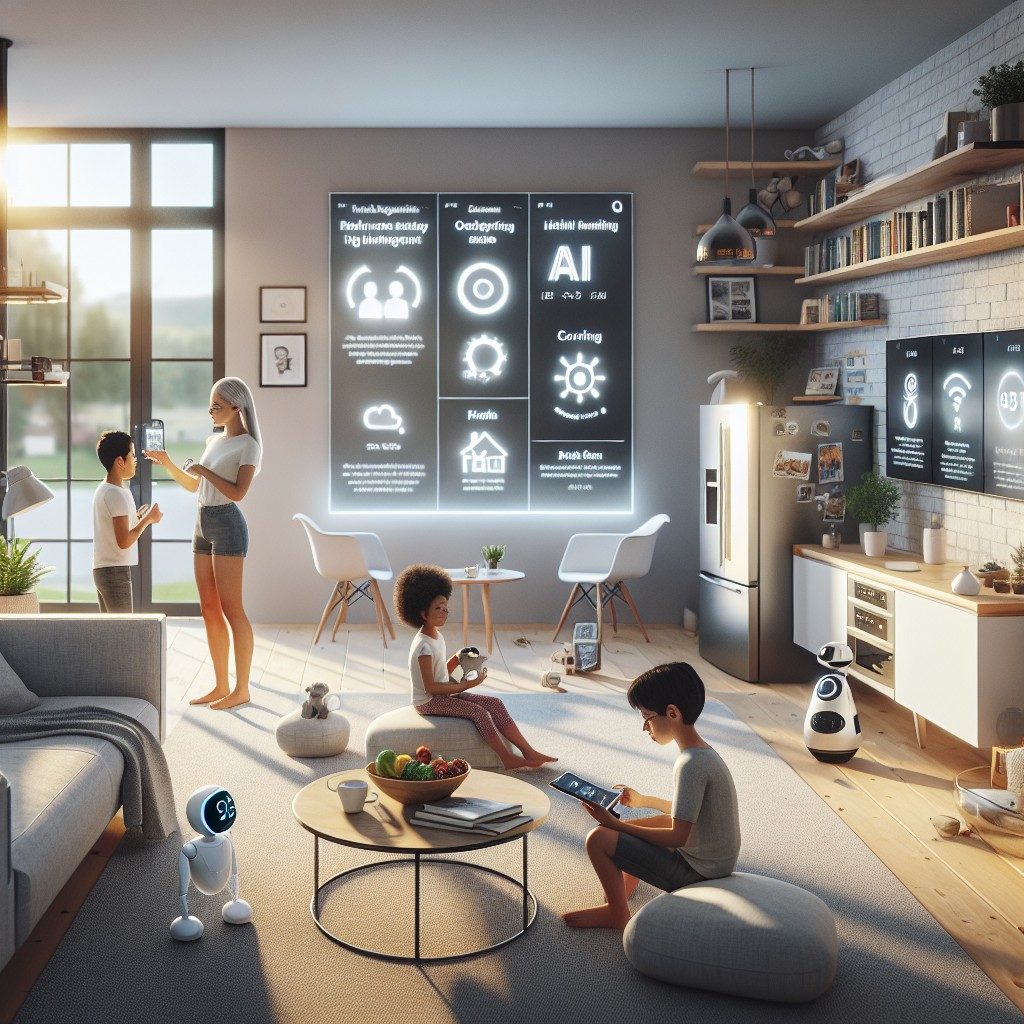
By 2026, AI-enabled consumer devices are expected to become even more intuitive and ubiquitous. Voice assistants, smart home systems, and personalized recommendation engines have already established their presence, but new developments will enhance functionality and ease of use. Everyday AI in the form of ambient computing will allow devices to anticipate user needs without explicit commands. For example, refrigerators will monitor food supplies and order groceries automatically, while wearables will provide continuous health monitoring by analyzing biometric data in real time. These advancements will feel normal due to their seamless integration and substantial benefits in convenience and wellbeing.
Autonomous Transportation: From Trial to Routine
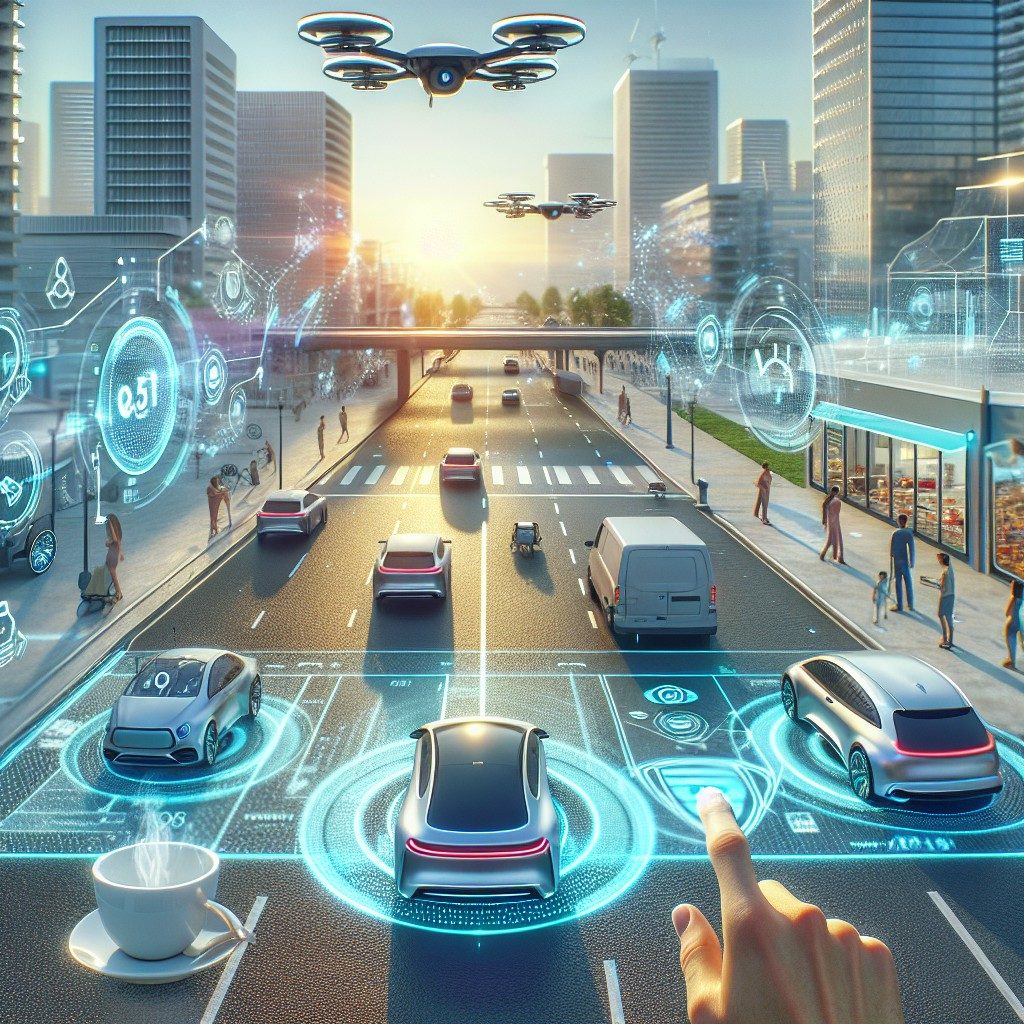
Autonomous vehicles powered by AI algorithms are projected to move beyond pilot programs by 2026, especially in urban environments. Everyday AI in transportation will contribute to safer roads, reduced traffic congestion, and increased mobility options for non-drivers. However, full autonomy in all driving conditions remains a complex challenge. While semi-autonomous features like adaptive cruise control and lane centering are expected to be standard in most cars, fully driverless operation will be limited and carefully regulated. The cautious adoption reflects ongoing risk assessments and the need for robust safety validation.
Healthcare AI: Enhanced Diagnostics and Personalized Care
The healthcare sector is rapidly adopting AI tools to improve diagnostics, treatment plans, and patient monitoring. By 2026, everyday AI will assist clinicians through advanced image analysis, predictive analytics for disease progression, and tailored therapeutic recommendations. These AI systems will complement rather than replace human judgment, helping to reduce errors and increase efficiency. However, concerns about data privacy, bias in algorithms, and approval by regulatory bodies ensure that certain applications will remain under strict scrutiny. As a result, while AI-supported healthcare will be more common, some features will continue to be cautiously implemented.
Privacy and Ethical Challenges Persist
Despite expanding capabilities, everyday AI will continue to face scrutiny regarding privacy and ethical issues. As devices and services collect vast amounts of personal data, the risk of misuse or breaches remains a critical concern. By 2026, stricter data protection regulations and advances in AI transparency and explainability are expected to mitigate some risks. Nonetheless, certain AI applications, especially those involving surveillance or decision-making in criminal justice, will remain controversial due to potential biases and impacts on civil liberties. These challenges highlight that not all AI features will be universally accepted as safe or normal in daily life.
Workplace AI: Collaboration and Automation
In professional settings, everyday AI will continue to evolve as a tool that augments human labor through automation and intelligent assistance. Routine tasks such as data entry, scheduling, and preliminary data analysis will increasingly be handled by AI, allowing workers to focus on higher-level problem-solving and creative activities. Collaborative AI agents will help teams by summarizing information and providing insights drawn from large datasets. However, concerns about job displacement and decision transparency will ensure that implementation balances efficiency with ethical workplace practices.
By 2026, the presence of everyday AI will be a defining aspect of modern life, offering convenience and efficiency across multiple domains while still requiring careful management of associated risks. The normalization of certain AI features will depend heavily on regulatory frameworks, public acceptance, and technological reliability.
Frequently Asked Questions about everyday AI
What does everyday AI mean in the context of 2026 technology?
Everyday AI refers to artificial intelligence technologies that are integrated into daily activities and devices, becoming routine and widely accessible by 2026.
Which everyday AI applications are expected to be most common by 2026?
By 2026, AI-powered voice assistants, smart home automation, health monitoring wearables, and semi-autonomous vehicle features are expected to be the most common everyday AI applications.
Are there risks associated with adopting everyday AI broadly?
Yes, risks include data privacy concerns, algorithmic biases, cybersecurity vulnerabilities, and ethical implications, particularly in sensitive domains such as healthcare and surveillance.
How will privacy be protected as everyday AI becomes widespread?
Privacy protections will rely on evolving regulations, advances in AI transparency, user controls over data sharing, and improved security measures integrated within everyday AI systems.
Will everyday AI replace human jobs by 2026?
While everyday AI will automate routine tasks, it is expected to augment human roles rather than fully replace them, promoting collaboration and efficiency in the workplace.