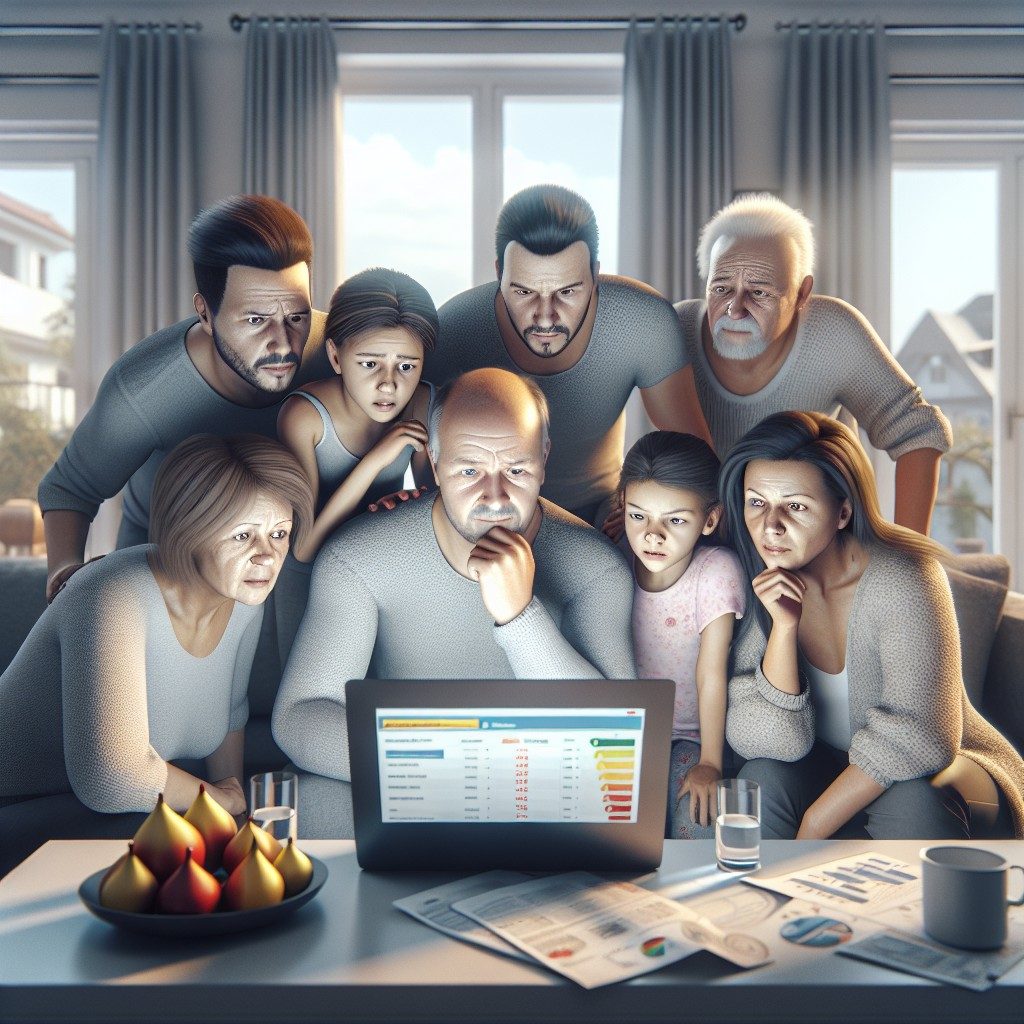
Recent releases of public health data have brought new insights into Romania’s healthcare outlook. The latest Romania health forecasts provide valuable information for policymakers and citizens alike, but understanding these reports without undue alarm is essential for constructive public discourse.
Understanding the Scope of Romania Health Forecasts
The health forecasts for Romania encompass projections for disease prevalence, healthcare resource availability, and demographic trends affecting public health. These forecasts are typically developed using epidemiological models, historical data, and current healthcare metrics. It is important to note that such projections are not certainties but scenarios based on available evidence and assumptions about future variables.
Key Indicators Highlighted in the Forecasts
Among the indicators presented in the latest Romania health forecasts are population aging rates, incidence trends of chronic diseases like cardiovascular illnesses and diabetes, as well as healthcare system capacity to manage epidemic outbreaks. The data illustrate a gradual increase in non-communicable diseases, consistent with patterns seen in other European countries undergoing demographic shifts. These indicators serve as warnings to strengthen preventive care and optimize healthcare investments.
How to Interpret the Data Without Panic
Health forecasts can sometimes induce anxiety due to their focus on potential risks and challenges. However, readers should approach the data as tools to inform decisions and policies. The projections should be contextualized within ongoing healthcare reforms and public health initiatives. Recognizing that forecasts are updated periodically based on new data can help mitigate concerns and promote an informed understanding of Romania’s health trajectory.
Role of Government and International Organizations
The Romanian government, in collaboration with international health organizations, is actively using these forecasts to prioritize healthcare improvements and resource allocation. Entities such as the World Health Organization provide guidelines and support for interpreting and responding to public health data. The Romania health forecasts play a critical role in shaping national health strategies and ensuring preparedness for future health challenges.
Implications for Healthcare Professionals and the Public
For healthcare professionals, these health forecasts emphasize the necessity of preventive care, early intervention, and continuous professional development. For the public, understanding these trends encourages proactive health management and adherence to recommended health measures. Transparent communication about these forecasts aids in building public trust and encourages community participation in health promotion efforts.
In summary, while Romania health forecasts highlight several areas requiring attention, they provide an opportunity for strategic planning rather than cause for alarm. Reliable interpretation supported by expert analysis remains key to leveraging these insights effectively.
Frequently Asked Questions about Romania health forecasts
What are Romania health forecasts?
Romania health forecasts are projections based on current public health data and trends, predicting future healthcare needs and disease prevalence in the country.
How often are Romania health forecasts updated?
These forecasts are typically updated annually or when significant new healthcare data becomes available, ensuring that projections reflect the most current information.
Can Romania health forecasts predict exact health outcomes?
No, the forecasts provide scenarios based on models and are not exact predictions; they serve to guide public health planning and resource allocation.
Who produces the Romania health forecasts?
The forecasts are produced through collaborations between Romanian public health authorities and international organizations like the World Health Organization.
How can the public use Romania health forecasts?
The public can use these forecasts to understand potential health challenges ahead and to engage in preventive health practices recommended by health professionals.